
Yoga is a profound and ancient spiritual discipline that originated in India, dating back thousands of years. Rooted in the philosophical and cultural traditions of Hinduism, Buddhism, and Jainism, yoga transcends a mere physical exercise routine, encompassing a holistic approach to harmonizing the mind, body, and spirit.
1. The Eight Limbs of Yoga:
- Yamas (Ethical Guidelines): The first limb focuses on moral and ethical principles, including non-violence (ahimsa), truthfulness (satya), and non-possessiveness (aparigraha).
- Niyamas (Personal Disciplines): The second limb emphasizes personal observances, such as cleanliness (saucha), contentment (santosha), and self-discipline (tapas).
- Asanas (Physical Postures): The third limb involves the practice of physical postures, aimed at cultivating strength, flexibility, and balance, preparing the body for meditation.

- Pranayama (Breath Control): The fourth limb explores breath control techniques, regulating and enhancing the flow of life force energy (prana) through the body.
- Pratyahara (Withdrawal of Senses): The fifth limb encourages turning the senses inward, detaching from external stimuli and fostering inner awareness.
- Dharana (Concentration): The sixth limb involves focused concentration, training the mind to remain fixed on a single point or object.
- Dhyana (Meditation): The seventh limb is the practice of meditation, where the mind achieves a state of sustained focus and heightened awareness.
- Samadhi (Union with the Divine): The eighth limb is the ultimate goal of yoga, representing a state of transcendent bliss and union with the divine.
2. Paths of Yoga:

- Bhakti Yoga (Path of Devotion): Devotion to a higher power as a means of spiritual realization.
- Karma Yoga (Path of Action): Selfless service and acting without attachment to the fruits of one’s actions.
- Jnana Yoga (Path of Knowledge): Pursuit of self-realization through knowledge, contemplation, and self-inquiry.
- Raja Yoga (Path of Meditation): The systematic practice of meditation and self-discipline.
3. Philosophy and Scriptures:
- Yoga Sutras of Patanjali: A foundational text outlining the principles and practices of classical yoga.
- Bhagavad Gita: A sacred text within the Indian epic Mahabharata, featuring a dialogue on the essence of life, duty, and the path to spiritual realization.
4. Guru-Disciple Tradition:
- Transmission of Knowledge: Traditionally, the teachings of yoga were passed down through a lineage of gurus (teachers) to disciples in a personal and experiential manner.
5. Holistic Approach:
- Integration of Mind, Body, and Spirit: Yoga aims for the integration of all aspects of the self, fostering a sense of wholeness and interconnectedness.
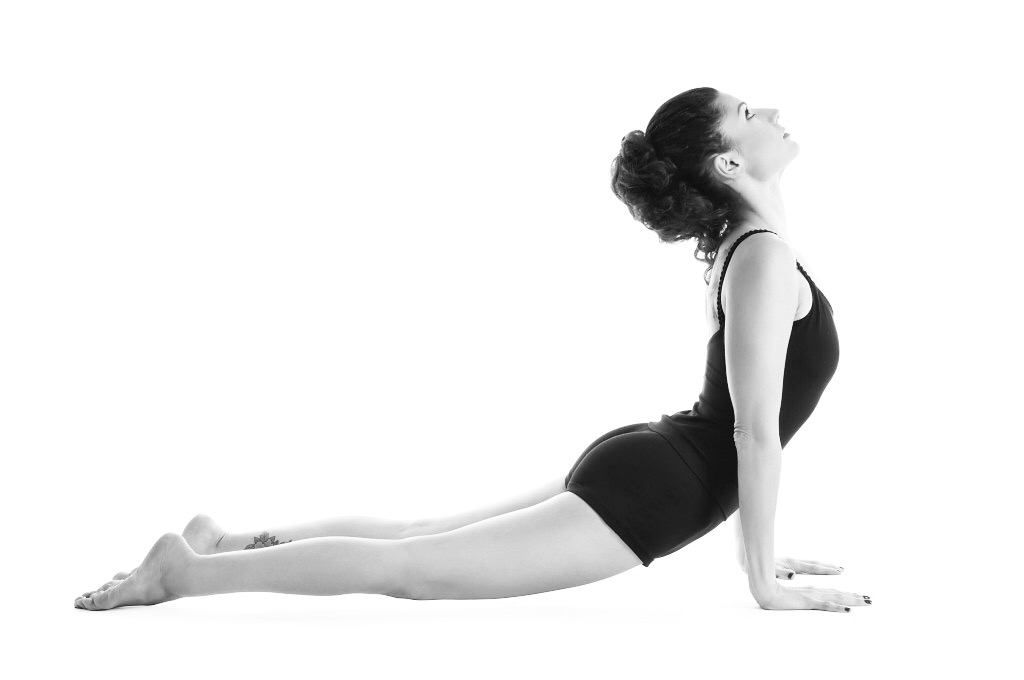
In essence, traditional yoga is a profound spiritual journey encompassing ethical principles, physical postures, breath control, meditation, and philosophical contemplation. It is a path of self-realization, leading individuals toward a deeper understanding of themselves and their connection to the divine.

Why practice Yoga:
Yoga is a comprehensive mind-body practice originating from ancient India, encompassing a systematic set of physical postures (asanas), breath control (pranayama), meditation, and ethical principles.
Scientifically, yoga has been studied extensively, and its effects on both physiological and psychological well-being are well-documented.
- Physiological Impact:
- Flexibility and Strength: Regular practice of yoga asanas improves flexibility, balance, and muscle strength.
- Cardiorespiratory Health: Certain styles of yoga, such as Vinyasa or Ashtanga, contribute to improved cardiovascular health and respiratory function.
- Neurological Benefits: Yoga has been associated with positive changes in brain structure and function, influencing cognitive processes, attention, and memory.
- Stress Response and Hormonal Balance:
- Cortisol Regulation: Mindful practices in yoga reduce cortisol levels, mitigating the physiological impact of stress.
- Endocrine System Harmony: Yoga has been shown to influence the endocrine system, modulating hormones and promoting overall hormonal balance.
- Immune System Support:
- Enhanced Immunity: Regular yoga practice is linked to improved immune function, potentially reducing the incidence of illness.
- Pain Management:
- Chronic Pain Relief: Yoga is recognized as an effective complementary therapy for managing chronic pain conditions, offering relief for issues such as lower back pain and arthritis.
- Psychological Well-being:
- Stress Reduction: Mindfulness-based techniques in yoga promote relaxation, reducing perceived stress levels.
- Anxiety and Depression: Studies suggest that yoga may be beneficial in alleviating symptoms of anxiety and depression, enhancing mood and emotional well-being.
- Neurological and Cognitive Effects:
- Neuroplasticity: Yoga’s combination of movement, breath, and meditation is associated with enhanced neuroplasticity, influencing the brain’s ability to adapt and reorganize.
- Cognitive Function: Improved attention, memory, and executive function have been observed in individuals practicing yoga regularly.
- Inflammatory Response:
- Inflammation Regulation: Yoga has been linked to reduced levels of inflammatory markers, contributing to a potentially anti-inflammatory effect.
- Mind-Body Connection:
- Enhanced Self-awareness: Mindfulness practices in yoga cultivate self-awareness, promoting a deeper understanding of one’s body, thoughts, and emotions.
- Quality of Life Improvement:
- Holistic Well-being: Integrating physical postures, breath control, and ethical principles, yoga offers a holistic approach to improving overall quality of life.
In summary, yoga is a scientifically validated practice that spans physical, mental, and emotional dimensions. Its multidimensional effects contribute to a state of balanced well-being, making it a valuable component of a healthy lifestyle